MyPet

A life together.
Care at every stage.

Is this your first pet? From arriving home to everyday care, we can help you prepare the essentials, check the paperwork and plan a first appointment. You do not have to work everything out alone: at the first appointment, we assess your pet’s health and plan their care and next steps with you.

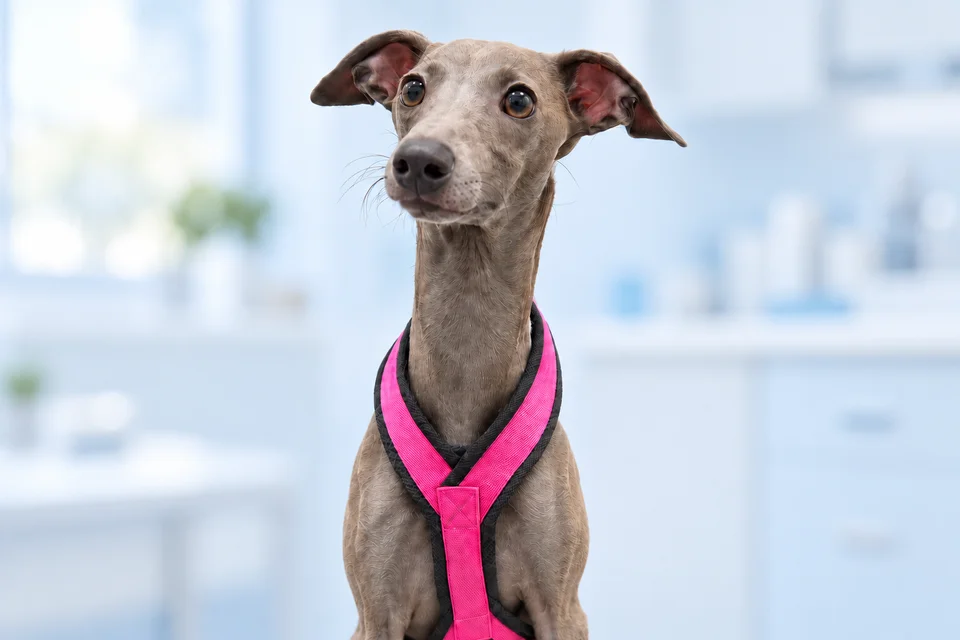
Grey-coated dog with a pink harness, also featured on our Team page

The essentials to get started

  1. Prepare for the first appointment

    Confirm your pet’s origin and gather adoption or purchase documents, health records and details of previous treatments. Bring the name of their usual food and your questions. Even if they seem healthy, an initial assessment is worthwhile.

  2. Plan vaccines and preventive care

    Core vaccines protect dogs against distemper, adenovirus and parvovirus, and cats against panleukopenia, herpesvirus and calicivirus. Your vet tailors doses, boosters and other vaccines to age, history and risk. In Portugal, dogs aged 3 months or older must have valid rabies vaccination. Discuss parasite prevention too.

  3. Check the microchip and records

    Dogs, cats and ferrets require a microchip and SIAC registration. Check that the DIAC (Documento de Identificação do Animal de Companhia — pet identification document) and owner’s contact details are current; a microchip alone is not enough if the registration still names someone else. For dogs, check parish council licensing too.

  4. Build a routine and plan ongoing care

    Prepare a safe space, water, suitable food, rest and species-appropriate activities. Avoid sudden changes and introduce family members and other pets calmly. Plan time and a budget for lifelong care. Rabbits, birds and reptiles need their own care plan, including housing and nutrition.

Below you will find fuller guidance, sources and the care to discuss at your appointment.

How can we help?

Open a topic to find out more.

Responsible adoptionOrigins, paperwork and settling in

Before welcoming a pet, consider the time, space, costs and lifelong care involved. Consider adoption from an official rescue centre or animal welfare organisation and look for a good match with your household.

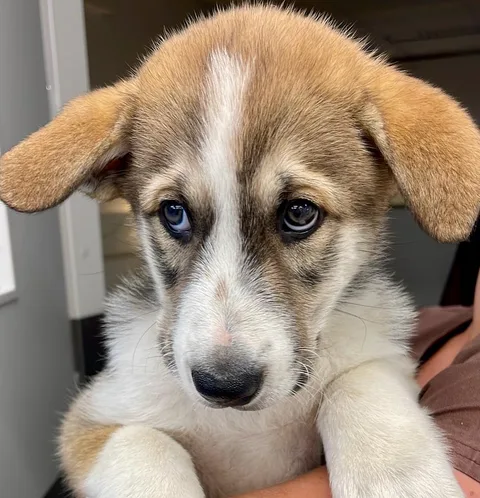
Puppy, a new companion to welcome responsibly

If you are adopting

Meet the animal and ask about health, behaviour and care needs. Confirm who is transferring the pet, request transfer documents and arrange ownership updates where applicable.

Avoid impulse decisions or giving a pet without the agreement of the person who will care for them.

If you choose a breeder

Ask for the breeding establishment’s registration number and check its activity against the official DGAV list. A “certified breeder” claim in an advertisement does not replace this check.

Check the breeding conditions and request the seller’s identity, a contract or transfer document, an invoice for a purchase and the applicable health and identification records.

Check centres, organisations and breeders with DGAV →

Already home? The first steps

Documents and the first appointment

  • Ask for the DIAC (Documento de Identificação do Animal de Companhia — pet identification document), transfer declaration, health booklet or passport and vaccination, parasite-control and treatment records.
  • Check the microchip and update SIAC ownership. Changes must be reported within 15 days.
  • Arrange an initial health assessment. Bring the records, details of the usual food and your questions.

SIAC ↗

A calm arrival

Prepare a safe resting place, water, suitable food and a carrier. Introduce people and other animals gradually and avoid abrupt dietary changes.

At the appointment, discuss parasite prevention, dental care, nutrition, behaviour and possible neutering. For breathing difficulty, collapse or suspected poisoning, contact a veterinary service immediately.

NutritionChoosing food and portions

Nutrition should suit your pet’s species, life stage, body condition and health. At the appointment, we review their usual food, portions and treats.

Choosing food and portions

Look for a complete food suitable for the life stage and check its nutritional label. Bring a photo of the packaging so we can plan portions and monitor weight.

For dogs, treats should provide no more than 10% of daily calories. If there is a medical condition or a veterinary diet, check which treats are suitable too.

Food and veterinary diets

Choosing a diet for a health condition is part of clinical care. Book an appointment to assess your pet’s needs and coordinate nutrition with other care.

Selection in preparation; prices and availability to be confirmed.

WSAVA: nutrition ↗ · WSAVA: dog treats ↗

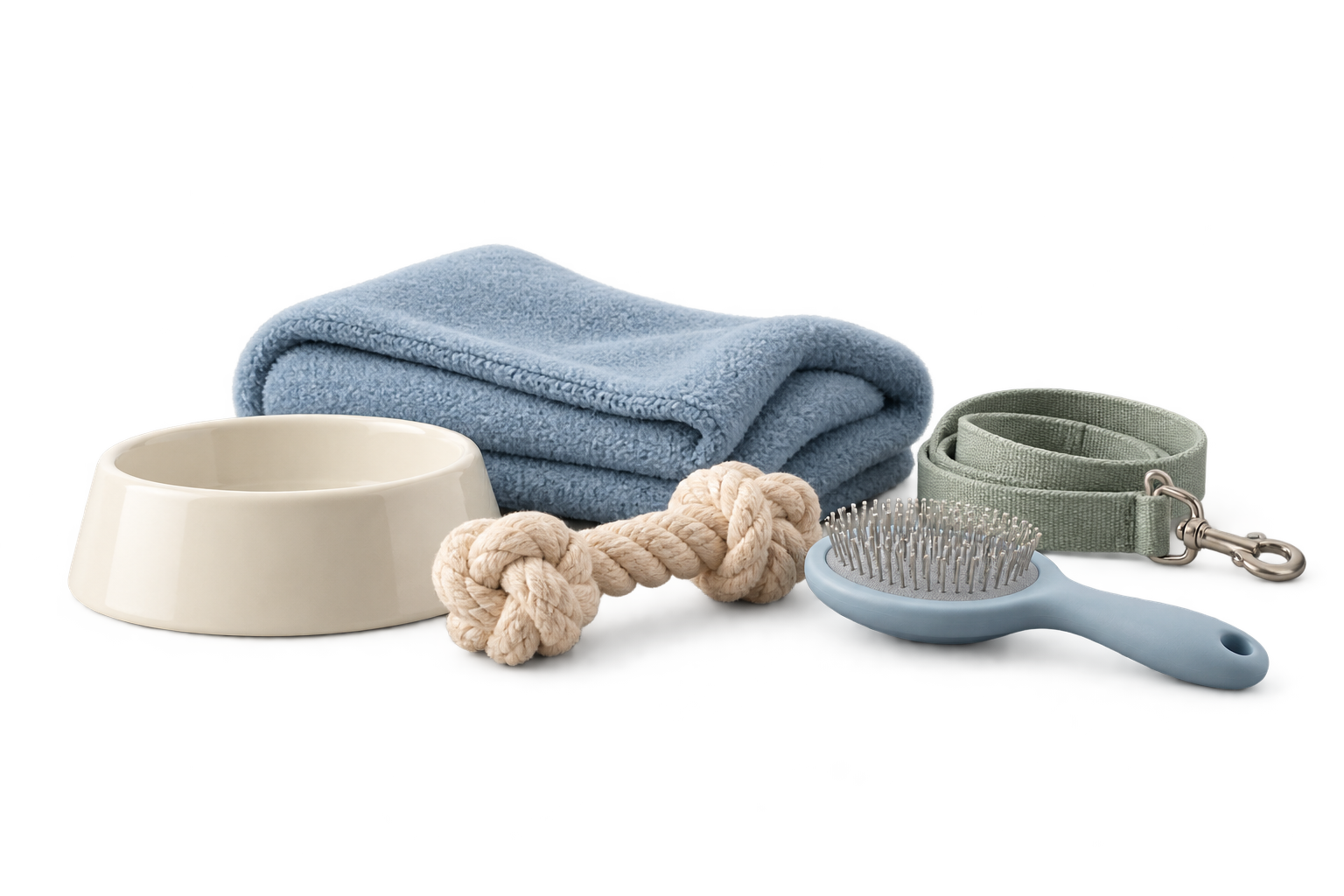
Bowl, towel, toy, brush and lead for everyday care
Hygiene and cleaningCaring for your pet and home

A routine for your pet

Grooming, bathing and oral care should suit your pet. If you notice itching, sores, persistent odour or discomfort, arrange an assessment before choosing a product for the problem.

Cleaning safely

Clean bowls, toys and bedding regularly. Follow the label for dilution, application and rinsing; keep pets away during cleaning and until surfaces are dry.

Never mix cleaning products. Store them out of reach and use surface cleaners only where instructed, never directly on your pet.

CDC: cleaning pet supplies ↗

Pet hygiene and care accessories
Vaccines and preventionA plan tailored to your pet

WSAVA — World Small Animal Veterinary Association — publishes scientific guidelines. These do not replace Portuguese legal requirements or assessment by your vet.

Puppies and kittens

Core vaccines protect dogs against distemper, adenovirus and parvovirus, and cats against panleukopenia, herpesvirus and calicivirus.

WSAVA 2024 generally recommends starting these vaccines at 6–8 weeks, repeating every 2–4 weeks until a dose at 16 weeks or later, and revaccination from 26 weeks. The protocol depends on the vaccine, risk and history.

A lifelong plan

Not every vaccine requires an annual booster. Some core components allow longer intervals after appropriate immunisation; others need more frequent boosters.

Leptospirosis in dogs and FeLV in cats need specific assessment based on epidemiology, age and exposure. An adult with unknown history needs an individual plan.

WSAVA 2024 ↗ · OMV: individual rabies vaccination plans (2013) ↗

OMV supports individual rabies schedules set by the vet according to the vaccine and clinical assessment. Follow the validity date recorded in your pet’s documents.

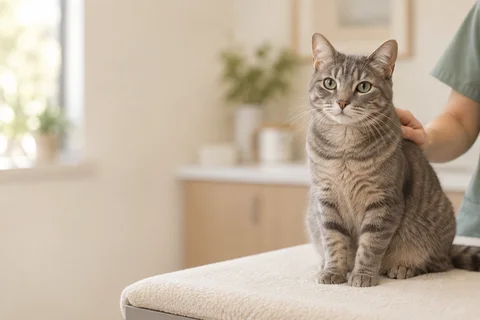
Illustrative image of a cat at a veterinary consultation
Spaying and neuteringCurrent guidance and planning surgery

Discuss whether and when to neuter with your vet. Preventing unwanted litters, health, breed, size and living circumstances all inform the decision.

Cats

The 2026 BVA/BSAVA guidance generally recommends neutering at around 16 weeks, subject to individual clinical assessment.

Dogs

The same guidance favours waiting for skeletal maturity, often between 12 and 23 months depending on breed. Benefits and risks are assessed individually for both sexes; no single age suits every dog.

BVA/BSAVA 2026 ↗ · WSAVA: reproduction control, 2024 ↗

Plan the surgery

Start with a consultation to discuss spaying or neutering. Our team assesses your pet and plans the timing, preparation and recovery with you.

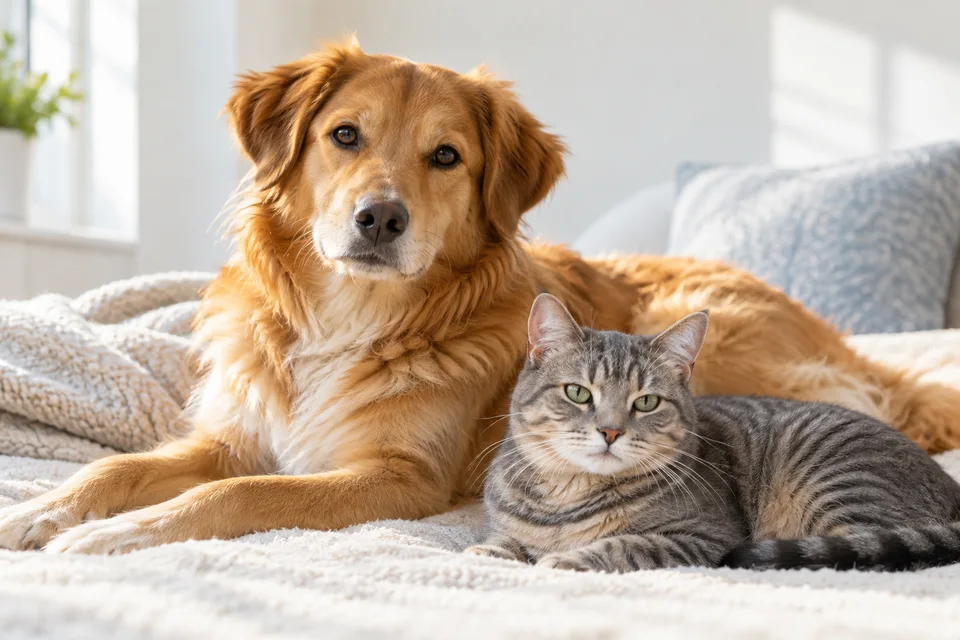
Illustrative image of a dog and cat resting at home
Oral health and dental carePrevention, signs and dental assessment

What to look for

Persistent bad breath, red gums, drooling, bleeding or difficulty chewing warrant an assessment. Include an oral check in routine visits even without obvious symptoms.

Care at home

Introduce daily brushing gradually, using pet-specific equipment and toothpaste. Do not use human toothpaste. Dental products complement care without replacing assessment and treatment.

Assessment before treatment

An oral assessment helps plan necessary tests and treatment. Professional dental cleaning requires general anaesthesia, monitoring and risk assessment; when indicated, X-rays help assess structures that cannot be seen.

AAHA: dental care, updated 2026 ↗ · AAHA 2019 guidelines ↗

Start with a dental assessment. Treatment and timing are planned after the examination.

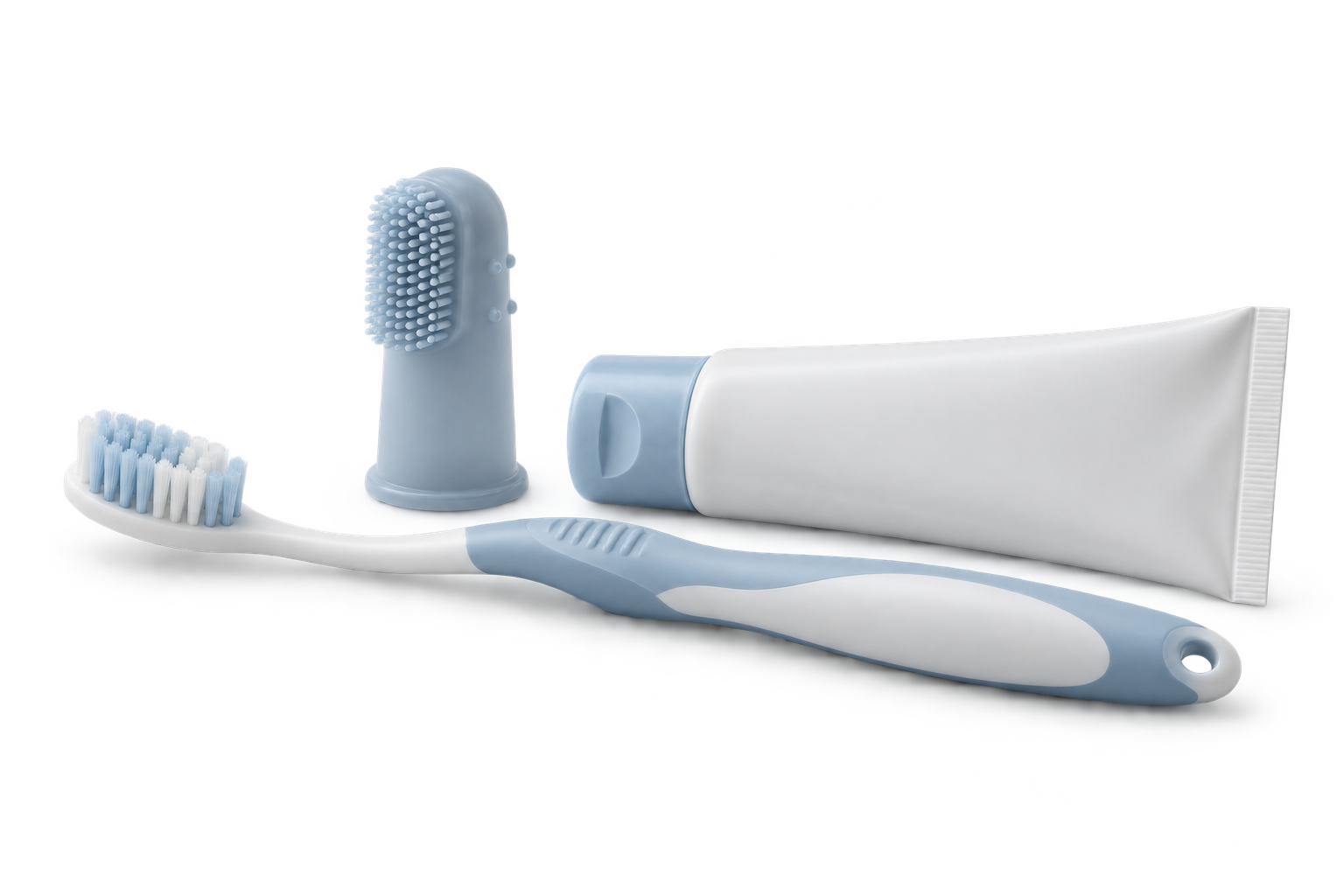
Pet toothbrushes and toothpaste
Microchip and responsibilitiesIdentification and documents in Portugal

Microchip + SIAC + DIAC

Dogs, cats and ferrets require a microchip and SIAC registration. For animals born after 25 October 2019, the general deadline is 120 days after birth. Prior identification rules apply when leaving breeders and authorised establishments, regardless of age.

Your vet provides the DIAC (Documento de Identificação do Animal de Companhia — pet identification document). Keep contact and ownership details up to date. A microchip is not a GPS tracker.

DGAV ↗ · SIAC ↗

Rabies and dog licensing

In Portugal, dogs aged 3 months or older must have valid rabies vaccination, subject to applicable legal exemptions. The national requirement is not the same for cats and ferrets; travel can make vaccination necessary.

SIAC-registered dogs require annual licensing at the parish council. Check documents, fees and exemptions. Dangerous or potentially dangerous dogs have additional requirements.

DGAV: rabies ↗ · DGAV: licensing ↗

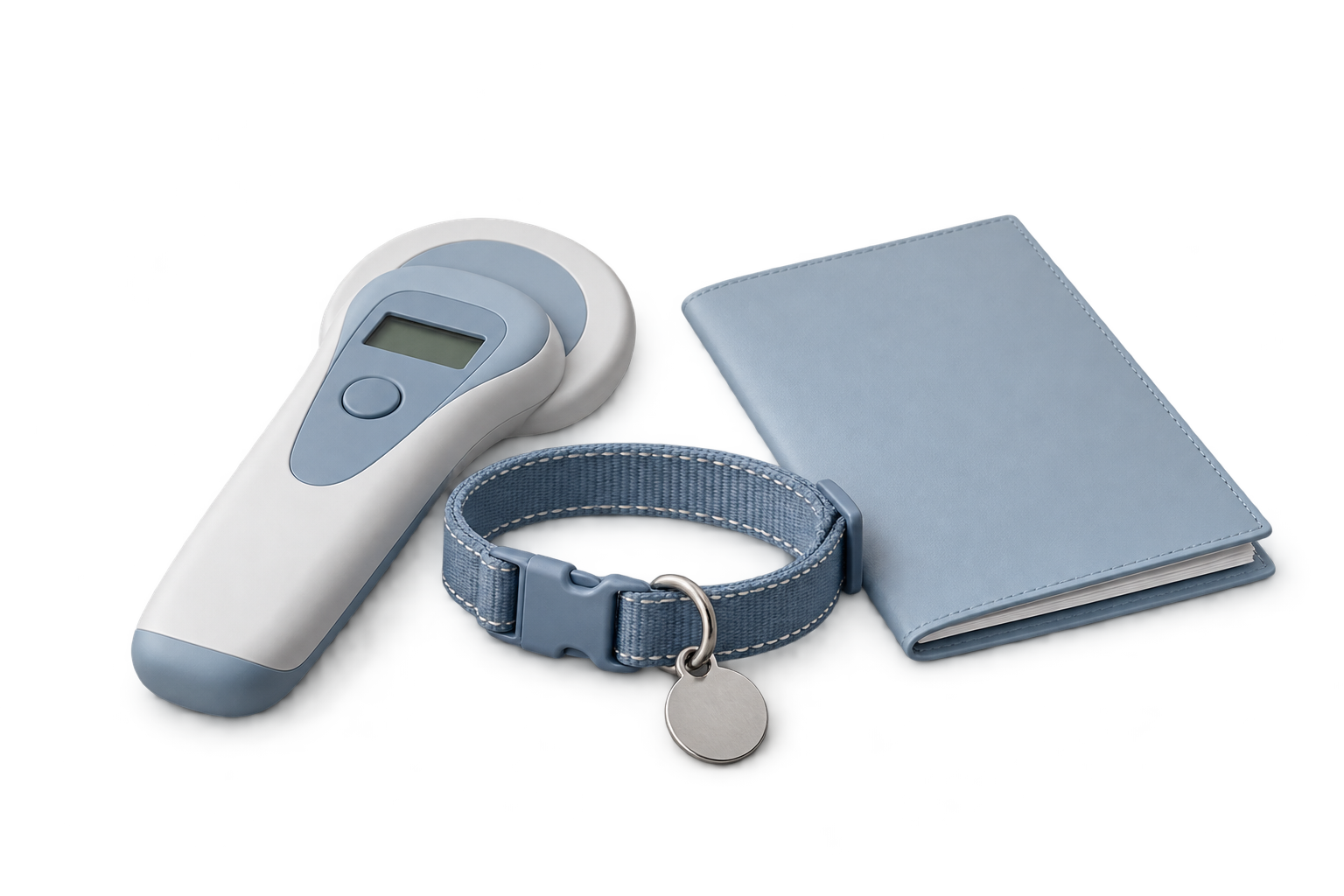
Microchip reader, collar with ID tag and health record
Travelling with petsPreparing to leave and return

Book a travel consultation early and provide destination and transit countries, dates, transport and who accompanies your pet. The rules below concern travel without sale or transfer of ownership.

Within the European Union

  • Microchip and a correctly completed EU pet passport.
  • Valid rabies vaccination: given from 12 weeks of age and after identification. Wait at least 21 days after the first vaccination; on-time boosters do not restart that wait.
  • Normally up to 5 pets. An authorised person may accompany them within 5 days before or after the owner’s travel, with written authorisation.
  • Some destinations require Echinococcus treatment for dogs within the 24–120-hour window before arrival. Check requirements and exceptions by country.

DGAV: UE ↗

Outside the EU

Each destination sets its requirements: an official health certificate, tests, treatments, import permit or quarantine may be needed. An EU passport alone is not enough for every country.

Check the destination on DGAV / Certific@+ and confirm transit and carrier requirements too.

DGAV: requirements by country ↗ · Certific@+ ↗

Before returning to Portugal

From certain countries, a rabies antibody test is required: sampling at least 30 days after primary vaccination and a 90-day wait after sampling. The wait may not apply on return if the favourable test was completed before leaving the EU and other conditions remain satisfied.

Confirm documentation, the authorised entry point and DGAV arrival-notification requirements.

DGAV: entry and return ↗

DGAV updated movement rules in 2026. Recheck requirements before booking and departure. International adoptions and ownership transfers can follow different rules from pet travel.

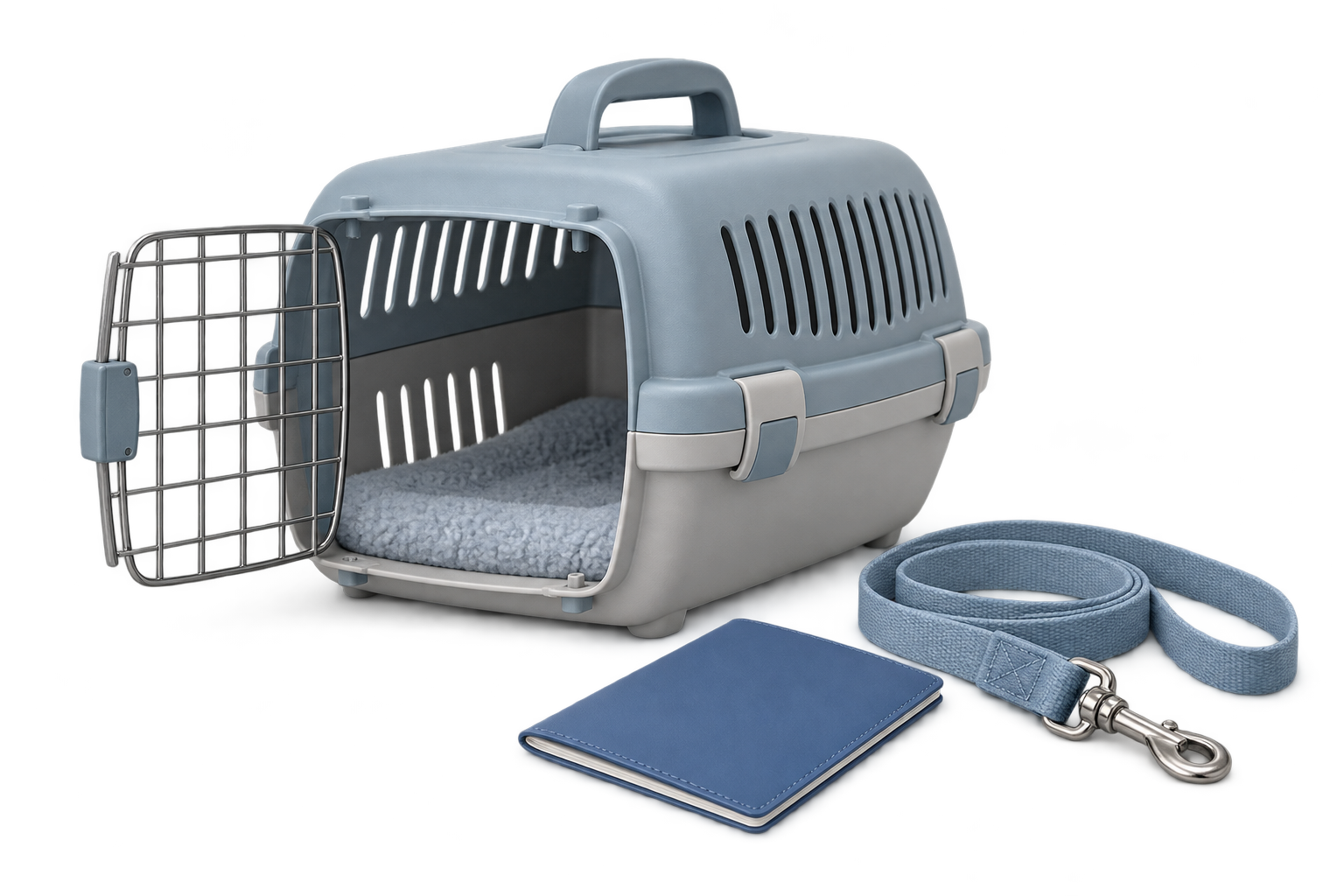
Pet carrier, lead and travel document
Exotic petsRabbits, birds, reptiles and other companions

Rabbits, small mammals, birds and reptiles need species-specific care. Before adoption or purchase, research the species, lifespan, space and costs of housing and veterinary care.

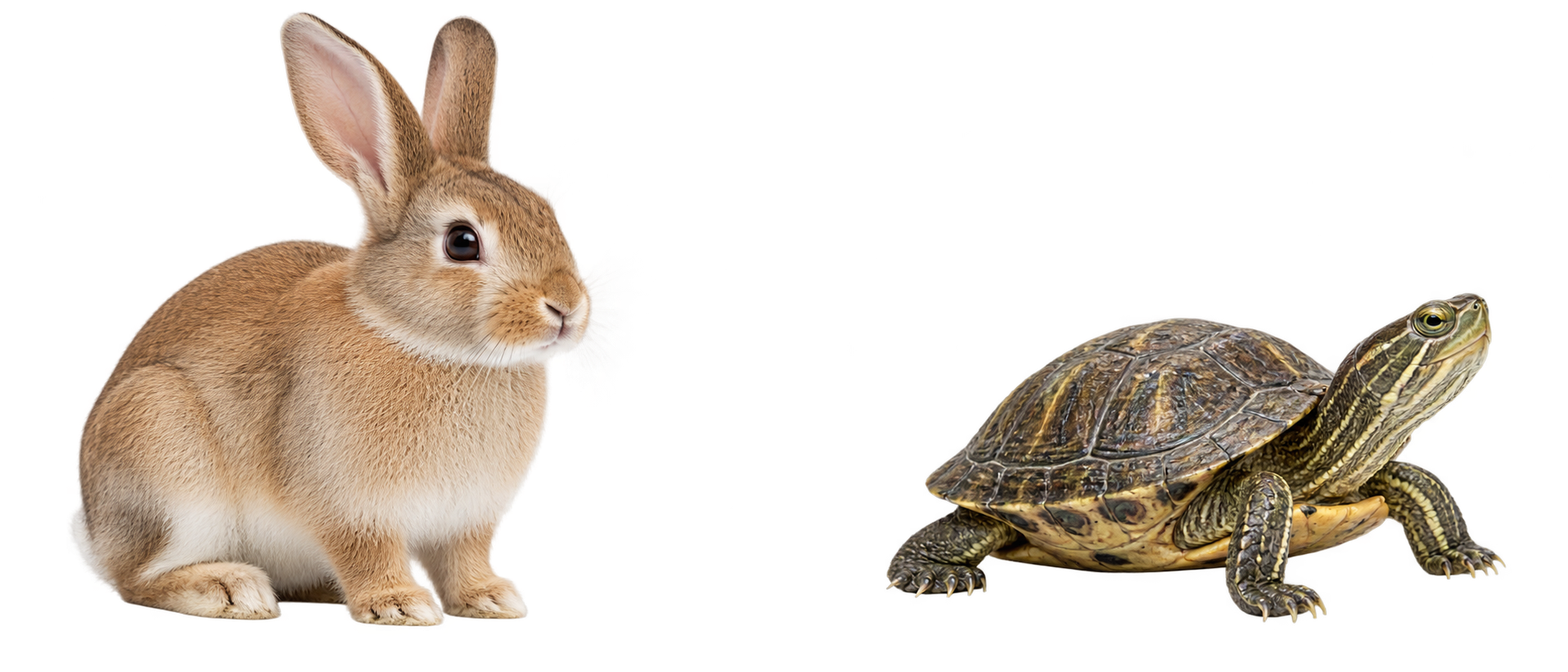
Illustration of a rabbit and a turtle, shown separately

Prepare housing and nutrition

  • Rabbits and small mammals: species-appropriate diet, space, exercise and companionship.
  • Birds: space for activity, enrichment and appropriate social contact.
  • Reptiles: species-specific temperature, humidity, lighting and diet. There is no universal setup.

Do not automatically apply dog and cat vaccination plans, medicines or diets to other animals.

Legal origin and documentation

Confirm the species and its origin before accepting it. Some species have ownership or trade restrictions and may require CITES documentation. Check the individual case with ICNF and keep the records.

Never release pets into the wild. If you can no longer care for them, seek a responsible solution with the relevant authorities.

ICNF: exotic species and trade →

RSPCA: exotic pet care ↗ · rabbit care ↗

Prepare your homeComfort, play and accessories

Choose by size, species and intended use. Accessories complement care; they do not replace vaccination, parasite prevention or veterinary follow-up.

Walks and journeys

A well-fitting harness or collar, lead and suitable carrier.

Supervised play

Toys suited to your pet’s size and play style. Remove damaged items.

Hygiene and rest

A quiet bed, grooming accessories and, for cats, an accessible litter tray.

Accessories for welcoming a pet at home

We care with you.

At your appointment, we turn this guidance into a plan for your pet.

Book an appointment

Sources checked on 18 October 2026. Vaccination, identification and travel guides mainly concern dogs and cats. For other species, see Exotic pets and check species-specific requirements.

Book an Appointment ↗Call